A 1,650 km strip of coastline, three thousand years of history, and a food scene that rivals anywhere in the world — Vietnam is one long, delicious journey.
Vietnam stretches from the misty mountains of the north to the steamy waterways of the south, and travelling its length is one of the great Asian road trips. You can do it in two weeks if you move fast, or in a month if you want to slow down and really taste it.
This is a country that rewards patience. The food is some of the best in the world, the landscapes shift dramatically every few hundred kilometres, and the people are unfailingly warm to travellers willing to step beyond the highlight reel.
Hanoi: Where Vietnam Begins
Start in Hanoi. The Old Quarter is a tangle of 36 narrow streets, each historically dedicated to a single craft — silk, silver, bamboo, tin. Sit on a tiny plastic stool with a bowl of pho or bun cha, sip an egg coffee at a hidden cafe above the street, and watch the city move on a million scooters.
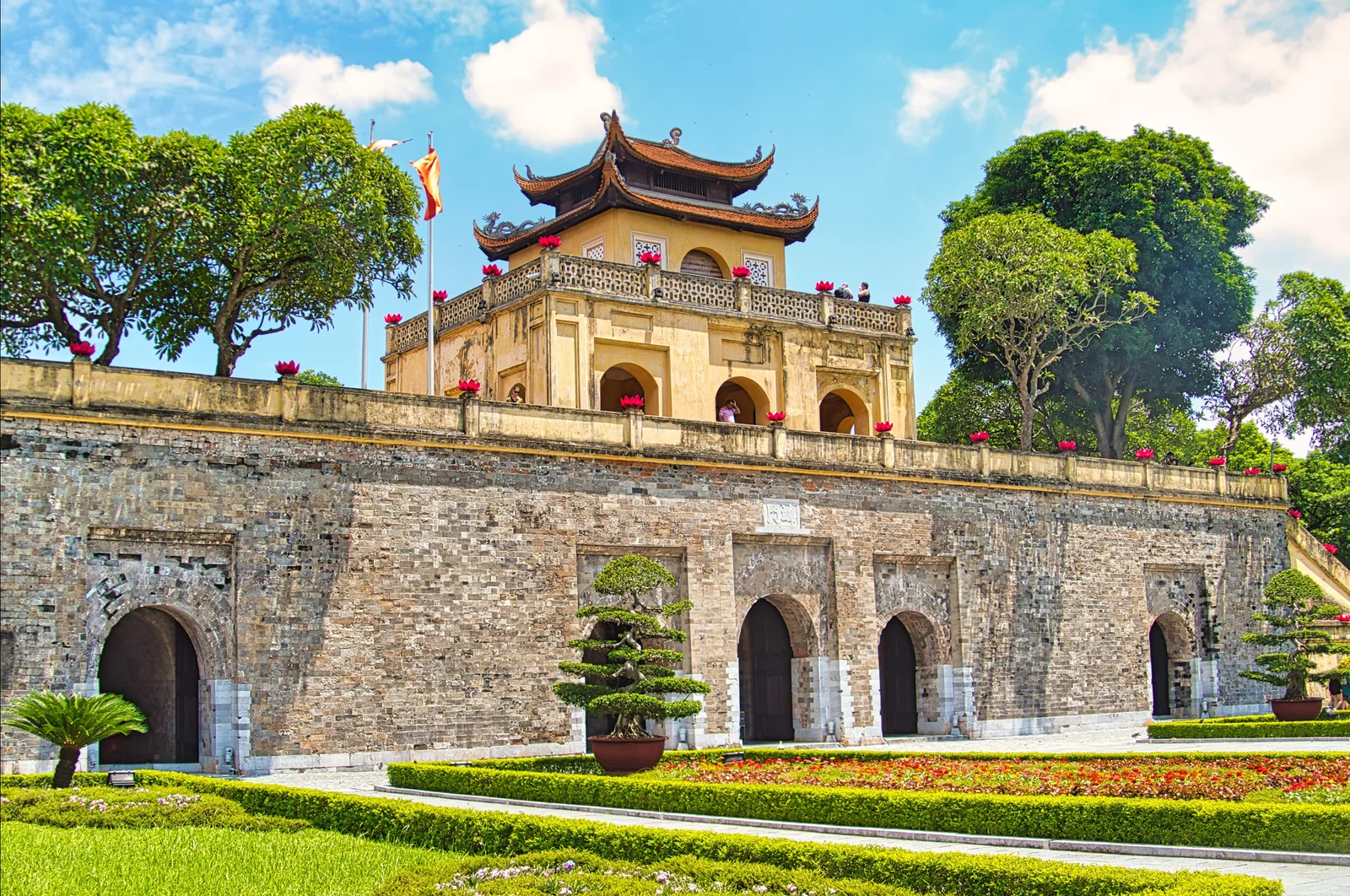
The best way to understand Hanoi is to walk for an hour without a plan, find a coffee shop you like, then sit and watch the street for another hour.
Halong Bay: The Postcard You Have to See
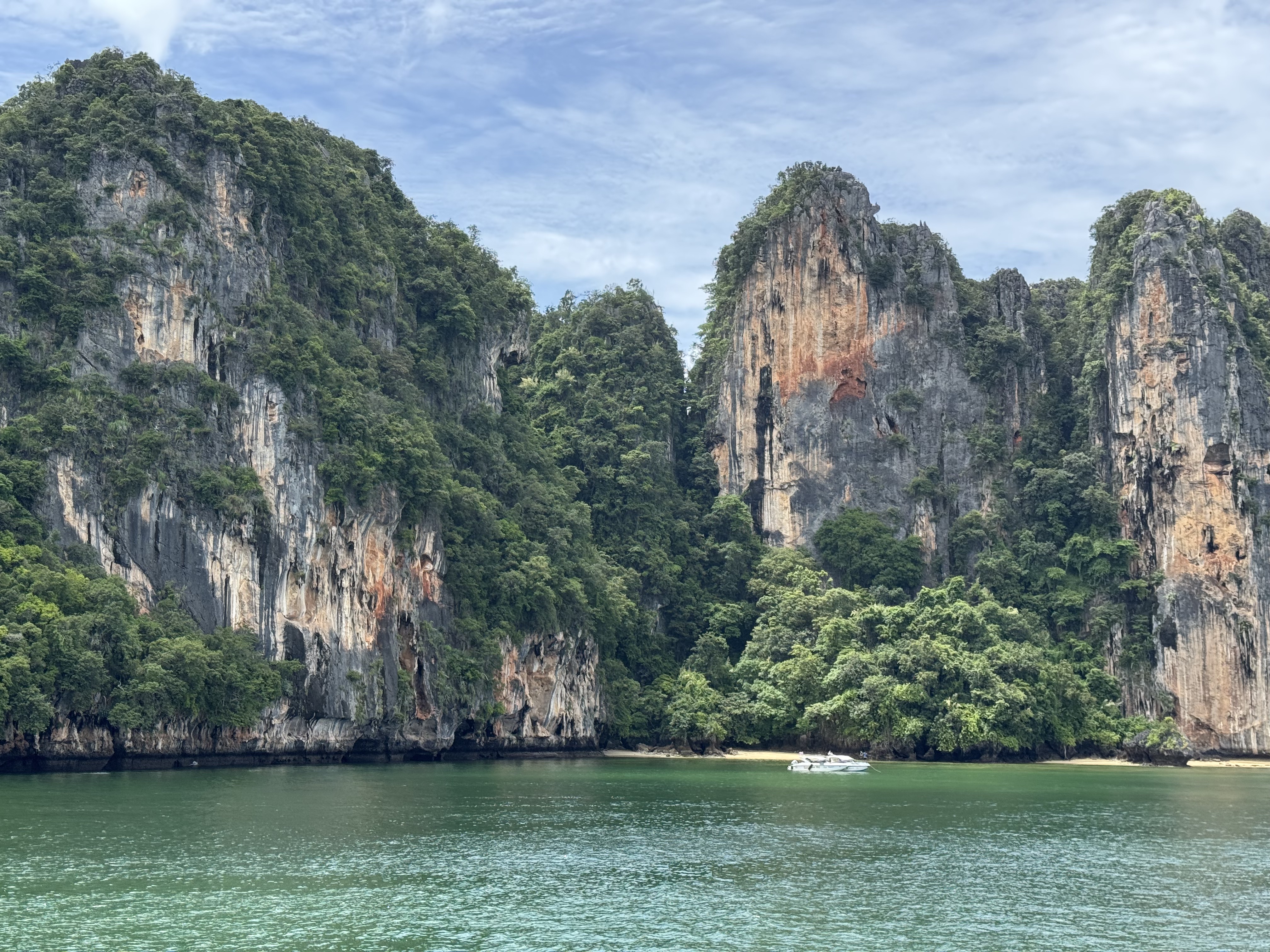
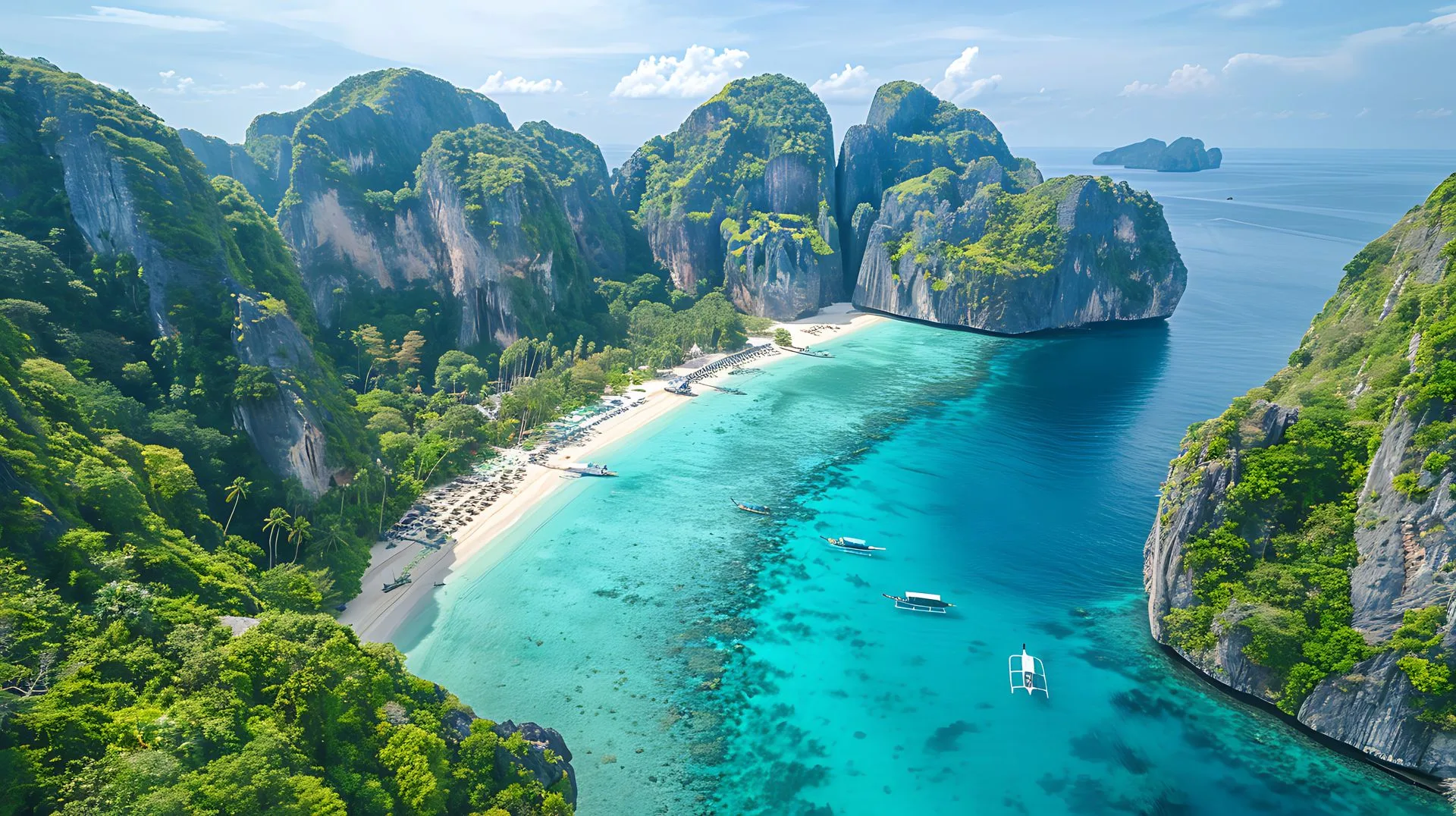
From Hanoi, sail into Halong Bay, where nearly 2,000 limestone islands rise out of jade-green water. Kayak through hidden grottos, swim from the deck, and sleep on a traditional junk boat under the stars. For fewer crowds, consider Lan Ha Bay just to the south — same geology, half the boats.

Central Vietnam: Imperial History & Lantern Towns
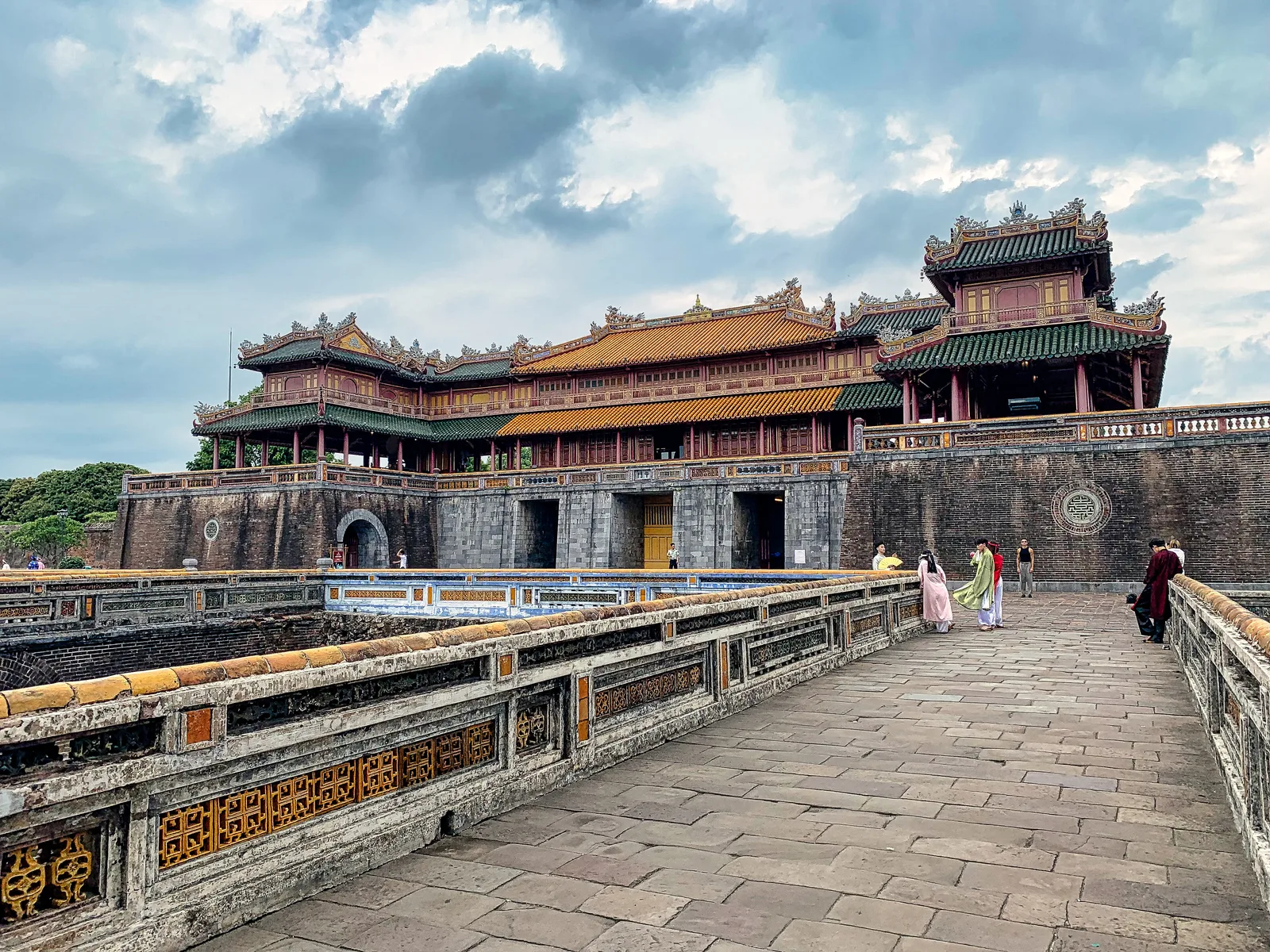
The centre of the country holds Vietnam's soul. Hue was the imperial capital and its citadel and royal tombs still feel quietly grand. Spend a day on the Perfume River visiting the tombs of Minh Mang and Tu Duc — each is essentially a small landscaped park around a single tomb, beautiful and contemplative.
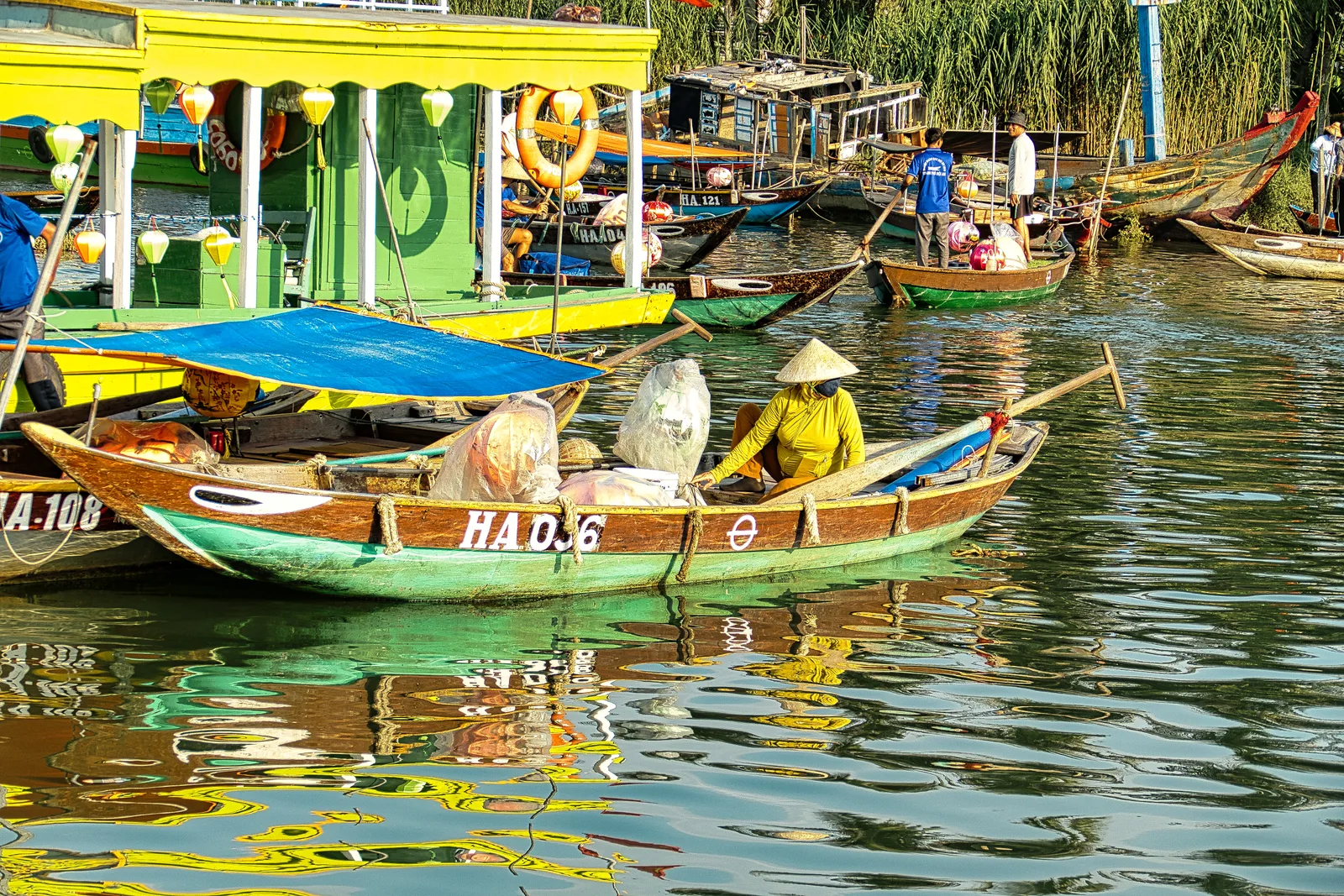
Then move down to Hoi An, a UNESCO-listed riverside town of yellow walls and silk lanterns. It is famous for tailors who can stitch a custom suit in 24 hours, a vibrant night market, and a bicycle ride through emerald rice paddies that ends at the beach. Stay at least three nights — it is the kind of town you do not want to rush.
Saigon & The Mekong
Saigon (Ho Chi Minh City) in the south is the energetic counter-weight to Hanoi — sleeker, faster, more international, but still wonderfully chaotic. Use it as a base for the Cu Chi Tunnels, the moving War Remnants Museum, and a day trip into the Mekong Delta. Glide between floating markets, coconut groves and stilt-house villages on the river that feeds half the country.

Beyond the Highlights: Sapa & Ha Giang
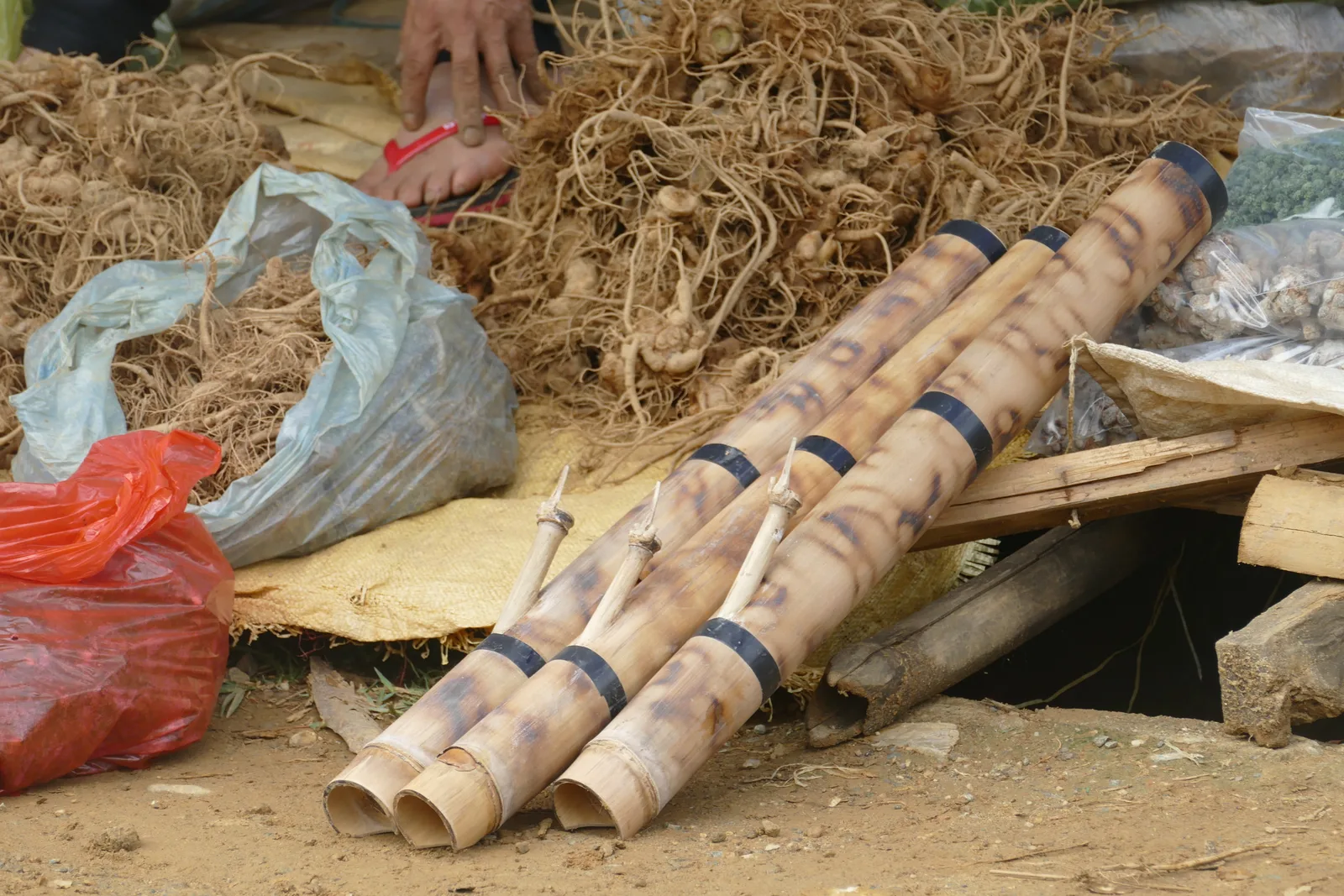
For mountain magic, head to Sapa in the far north for terraced rice fields and trekking with Hmong and Dao communities, or Ha Giang for what may be the most beautiful motorbike loop on earth — a 3–4 day circuit through karst peaks, ethnic-minority villages and roads that cling impossibly to mountain sides.
When to Go & What to Pack
The whole-country sweet spots are March–April and September–November. Pack layers — the north can be cold in winter (down to 10°C in Sapa), the south is hot year-round. Bring a rain jacket regardless of season, and good walking shoes.
A two-week skeleton itinerary
- Days 1–3 — Hanoi
- Days 4–5 — Halong or Lan Ha Bay
- Days 6–7 — Hue
- Days 8–10 — Hoi An
- Days 11–12 — Saigon
- Days 13–14 — Mekong Delta overnight
One country, three climates, fifty cuisines, a thousand reasons to come back.
Travel experts crafting unforgettable journeys across Asia.